Solar energy is transforming the global energy landscape. With technological advances and decreasing installation costs, more homes, businesses, farms, and industries are shifting toward sustainable solar solutions. In this comprehensive guide, we explore the different types of solar installation systems, how they work, their benefits, and how to choose the best system for your needs.
This article is written in a natural and human conversational style, enhanced with strong SEO optimization to ensure high ranking performance on search engines. Let’s dive in.
1. What Is Solar Energy and Why It Matters
Solar energy is the most abundant renewable energy resource available. The sun produces enough power in one hour to supply global energy needs for an entire year. By harnessing this energy, we reduce reliance on fossil fuels, minimize electricity bills, and contribute to a cleaner environment.
Key benefits include:
- Infinite and renewable
- Reduces electricity costs
- Improves energy independence
- Low maintenance
- Environmentally friendly
2. How Solar Energy Systems Work
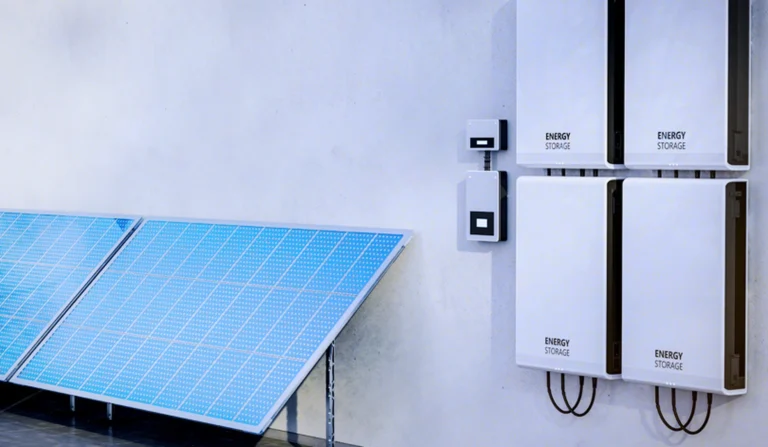
Solar systems consist of components carefully designed to convert sunlight into usable electricity.
The key elements include:
- Solar panels
- Inverter (converts DC to AC)
- Mounting structures
- Batteries (optional)
- Charge controller
- Cabling and connectors
In simple terms, solar panels capture sunlight, convert it to DC electricity, then the inverter transforms it into AC electricity, which powers household or commercial appliances.
3. Types of Solar Panels Used in Installations
a. Monocrystalline Panels
These are the highest efficiency solar panels. They perform well in limited spaces, last long, and deliver more power per surface area.
b. Polycrystalline Panels
More affordable than monocrystalline but slightly less efficient. Popular for budget installations.
c. Thin-Film Solar Panels
Flexible, lightweight, and suitable for large surface installations such as industrial roofs or curved structures.
4. Main Types of Solar Installation Systems
Selecting the right system depends on your location, energy usage, and infrastructure. Below are the major categories:
a. Grid-Tied Solar System
This system is connected directly to the local electrical grid.
Advantages:
- Lowest cost of installation
- No need for batteries
- Can sell excess energy back to the grid (depending on country policies)
Ideal for: cities, homes, office buildings, businesses with stable grid access.
b. Off-Grid Solar System
This system works independently of the electrical grid and requires batteries for energy storage.
Advantages:
- Full energy independence
- Works in remote or rural locations
- No electricity bills
Ideal for: isolated homes, farms, mountain villages, desert regions.
c. Hybrid Solar System
This combines grid connection and battery storage.
Advantages:
- Uses batteries during outages
- Stores surplus power
- Can sell or use energy flexibly
Ideal for: areas with unstable grid or frequent power cuts.
5. Solar Water Heating Systems (Thermal Solar)
Solar thermal systems heat water using sunlight—not electricity. They are often used for:
- Residential hot water
- Swimming pool heating
- Industrial water heating
They reduce gas or electric consumption and are highly cost-effective.
6. Rooftop Solar vs. Ground-Mounted Systems
Rooftop Systems:
Installed on residential or commercial rooftops.
Pros:
- Uses unused roof space
- Lower installation cost
- Minimal land requirement
Ground-Mounted Systems:
Installed on land using racks or poles.
Pros:
- Adjustable orientation
- Easy cleaning and maintenance
- Ideal for large-scale projects
7. Tracking Systems vs. Fixed Systems
Fixed-Tilt Solar Systems
Remain at a fixed angle.
- Low cost
- Low maintenance
- Simple installation
Solar Tracking Systems
Panels follow the sun’s movement.
- 20–40% more energy efficiency
- Higher cost
- More maintenance
8. Cost Factors in Solar Installation
The cost of installing a solar system depends on:
- System size (kW)
- Panel type
- Country/market pricing
- Battery or no battery
- Mounting type (roof vs. ground)
- Labor and engineering design
Solar installation is an investment that typically pays for itself within 3–7 years, depending on local energy prices.
9. Maintenance of Solar Systems
Solar systems require minimal maintenance. Periodic cleaning of panels ensures maximum sunlight absorption.
Typical upkeep includes:
- Cleaning dust and dirt
- Checking cabling and connections
- Monitoring battery performance
- Verifying inverter operation
10. Environmental Impact of Solar Energy
Solar energy dramatically reduces:
- Greenhouse gas emissions
- Air pollution
- Dependence on oil and coal
Switching to solar helps protect the planet for current and future generations.
11. Choosing the Right System for Your Needs
Selecting the appropriate solar installation depends on:
- Your energy consumption
- Geographic location and sunlight exposure
- Budget
- Whether you want grid backup or full independence
- Available surface area (roof or land)
For example:
- If you live in a city with stable grid → grid-tied system
- If your area has frequent power cuts → hybrid system
- If you are far from electricity infrastructure → off-grid system
- If you need hot water more than electricity → solar water heating
12. The Future of Solar Energy
Solar technology continues to evolve. Trends include:
- Higher-efficiency photovoltaic cells
- Transparent solar glass
- Building-integrated PV (BIPV)
- Smart energy management
- Longer-lifespan batteries
- Solar + wind + storage microgrids
The world is steadily moving toward a decentralized clean-energy future where buildings produce their own electricity.
Conclusion
Solar energy is not just a technological innovation—it is a global solution for environmental protection, energy savings, and long-term sustainability. Understanding the different systems of solar installation empowers homeowners, businesses, and governments to make smart decisions that benefit both their finances and the planet.
Whether you choose a grid-tied, hybrid, or off-grid system, solar energy will continue to be a reliable, efficient, and eco-friendly energy source for decades to come. Switching to solar today means investing in a cleaner and brighter tomorrow.